
Microsoft announced its own brand of tablets on Monday in Los Angeles. Called the Microsoft Surface, it comes in two variants, one running Windows RT, powered by an ARM processor, another running the full Windows 8 Pro environment with an Intel processor on board. If the name sounds familiar, it’s because Microsoft Surface was a touchscreen table (yes, table) which was released in 2007. The current version of that table has been renamed PixelSense.
How is the Surface different from the iPad? To begin with, it has a built in kickstand, a 10.6 inch high definition screen with a 16:9 widescreen aspect ratio, and has a Windows logo on it (some people might miss this fact, really). It also has a USB and microSD ports as well as digital video connectors. Microsoft showed off the accompanying screen cover which doubles as an integrated keyboard and touchpad as well as a pen for the Pro version. Surface for RT will come in 32 and 64 GB versions while the Pro model gets a 64 and 128 GB options.
With Surface, Microsoft has decided to enter the hardware space for personal computers and compete with its own hardware partners in delivering devices running Windows 8. Previously it was more than happy to deliver just the software while letting partners figure out hardware manufacturing and assembly, but ever since the tablet market ran away without caring about Windows, Microsoft probably felt that it needed to rectify the situation.
Perhaps having seen its partners failing at seizing the tablet market with previous versions of Windows, Microsoft thought it had to show the way, despite Samsung, Lenovo, and Acer, having already shown their versions of the Windows 8 devices.
Nevermind that other competitors to the iPad have essentially failed so far, Microsoft had to give this a chance. In fact, it’s probably a good time for Steve Ballmer and co. to jump in because there hasn’t yet been a strong competitor to the iPad.
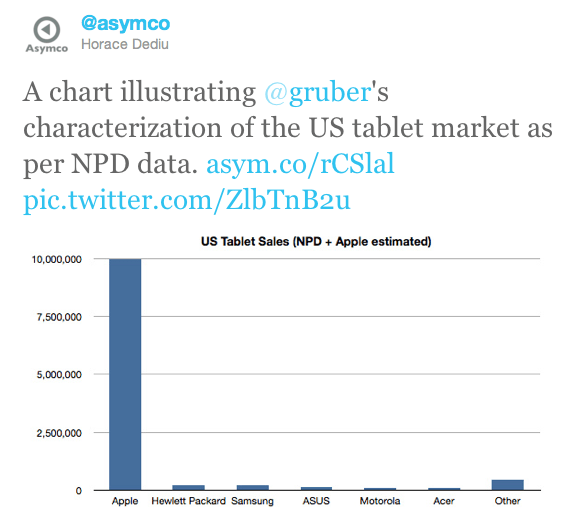
 Samsung can boast all it wants as a leading Android tablet brand but its sales figure over one year is easily dwarfed by Apple’s iPad sales in one quarter alone. The PlayBook is the laughing stock of the market, while Amazon’s Kindle Fire and Barnes & Noble Nook aren’t really available globally and they’re positioned more towards the electronic book reader category anyway.
Microsoft claimed that Surface for Windows 8 Pro, which happen to weigh nearly 1kg, will deliver the same performance that is expected out of ultrabooks as it runs off an Intel Core i5 processor. This puts the Pro version in a rather awkward situation. Is it an ultrabook competitor or is it a tablet contender? Will consumers go for the novelty of this new PC or will they go with the safer options? Until the pricing and battery life are revealed, answering these questions is impossible.
Surface for Windows RT on the other hand, is clearly a pure tablet place. Sure, it has the same ports and keyboard options as the Pro model but with the weight at 676 grams and its OS limited to Metro-only apps, this device is squarely positioned in the tablet category. Will it be able to grab market share away from the competitors? It certainly seems that way but as with the Pro version, Microsoft has yet to reveal the pricing nor the battery life.
In addition, tablets tend to come with options for cellular data but this is something that Microsoft did not mention as well. Reports from various market surveys say that an overwhelming majority of tablets are used at home and within range WiFi, at least in the United States, which means a cellular option may not necessarily be that attractive. Will Microsoft make such an option available regardless? We can only wait until it makes a more meaningful announcement.
 Everything so far about the Surface seems pretty sweet but it’s difficult to deny the fact that this is all no more than posturing because Microsoft simply felt that it needed to announce products before it’s actually ready to make such an announcement. At the event, none of the invited attendees were given a fair chance to try out the devices. It’s like being shown a gallery of hot racing cars without being able to test drive, or standing in front of a candy shop and not allowed to taste any.
Surely Microsoft will announce the remaining details in the coming months but until then, we can only scratch the Surface (well, not really, the Surface is supposedly scratch proof) and any in depth analysis can only go so far without the full details being made available.
What’s clear from this announcement however, is that Microsoft will now be competing with its partners but whether it’s going to take the Google Nexus approach and make the Surface the flagship devices by which all other Windows 8 devices will be measured against, remains to be seen.


 AuliaSays