Thought via Path

Right now the eyes of the world are looking at Indonesia. The country’s middle class is burgeoning, the growth of smartphone adoption is fast, e-commerce transactions are skyrocketing, social media usage is off the charts, entrepreneurs are everywhere though mostly are hidden from surveys and mostly don’t seem to be interested in growing beyond being home businesses.

If you wanna be the source of news about what’s happening in Indonesia’s digital landscape for the world to read, would you publish in Indonesian or in English?

I think the answer to that is obvious and doing it any other way would be foolish. – Read on Path.

So these guys, who promised LTE connection of up to 72Mbps (yeah, half the expected speed of current commercial LTE deployment) have to postpone activations until further notice.

They had planned to launch by mid December but yesterday sent out notices on Twitter saying that they can’t do that now because its network isn’t fully ready yet. What I’ve heard though, is that they haven’t actually finalized the operational license from the government.

Given the nature of the Indonesian government, especially the telco lobby and the comms ministry, I wouldn’t be surprised if there was foul play involved because what they’re offering is extremely competitive and has a good chance of beating the telcos in the mobile broadband space.

AFAIK Bolt has no telco license because they don’t offer telco services, only mobile data, which should qualify them as an ISP. Worth noting that Indonesia has no commercial LTE deployment at the moment and telcos may not be able to until 2017 due to lack of available frequencies. The only available frequency that currently can be used for LTE (2300Mhz) isn’t supported by most existing LTE devices.

Twitter Backflips on Block Policy

Twitter today made changes to how the block function works in a way that seems counterintuitive and perhaps even the exact opposite of what it had been previously. The change essentially acts as an earplug rather than a barrier which separates people from accounts they don’t wish to interact with. A few hours later though, the company backed down.

The new policy, which came into effect immediately and without public notification, allowed blocked accounts to see, follow, and interact with the accounts that block them, except that the blocked account won’t be able to see or know that. It effectively performs a mute function rather than a proper block. Why Twitter didn’t just rename it to “mute” is unclear because the action obviously performs what a mute function is expected to do.

By changing the block function to the new behavior, it meant that stalkers or people with malicious intent can far more easily monitor their target, keep track of them, store their tweets, distribute, or use them as they wish.

//platform.twitter.com/widgets.js

Preventing Retaliation Twitter told TechCrunch that the new behavior was designed to prevent retaliatory actions. When a person is blocked, they would know it when they try to visit their target’s profile because Twitter would tell them that they are unauthorized to do so. Apparently there have been instances in which this led to elevated and and extreme responses although the company did not provide more specific examples. Twitter also reiterated the point that tweets are public and therefore can be seen by everyone.

On one hand, Twitter has a point. Blocked people have always been able to see tweets from people who block them by going directly to the target account without logging in, which can easily be done from any web browser. They can also create other accounts, with varying inconspicuous names, to follow them again.

However, tracking tweets without logging in severely limits a person’s activities to merely viewing and perhaps taking screenshots of the tweets. They won’t be able to interact with their targets on Twitter in any way at all.

When people use different accounts to follow their targets, sooner or later their activities will be noticed and they will subsequently be blocked again.

Derek Powazek perhaps said it best in explaining how the new block works.

//platform.twitter.com/widgets.js

This leads people to form an opinion that Twitter is siding with the stalkers and abusers by letting them do what they wish and making them invisible to the target or victim.

//platform.twitter.com/widgets.js

Twitter’s position seems to be that ignorance is bliss. What they don’t know won’t hurt them.

//platform.twitter.com/widgets.js

//platform.twitter.com/widgets.js

Reverting the block In less than five hours though, Twitter reversed its decision and reverted nearly all the changes to the blocking function it had implemented.

Twitter’s VP of product Michael Sippey posted on Twitter’s main blog emphasizing that the changes were made to prevent post-block reactions which can be far more severe than pre-block abuse but the company decided to turn back on its decision because the backlash #restoretheblock had been so overwhelming, there was even a change.org petition.

In all fairness, neither solutions are ideal. One has the potential to spark severe reactions, even offline, another lets abusers roam free around their targets. The Twitter crowd certainly prefers the prior block behavior because it allowed a more immediate control over who can interact with them at the risk of retaliation, expecting that such a risk may be relatively low.

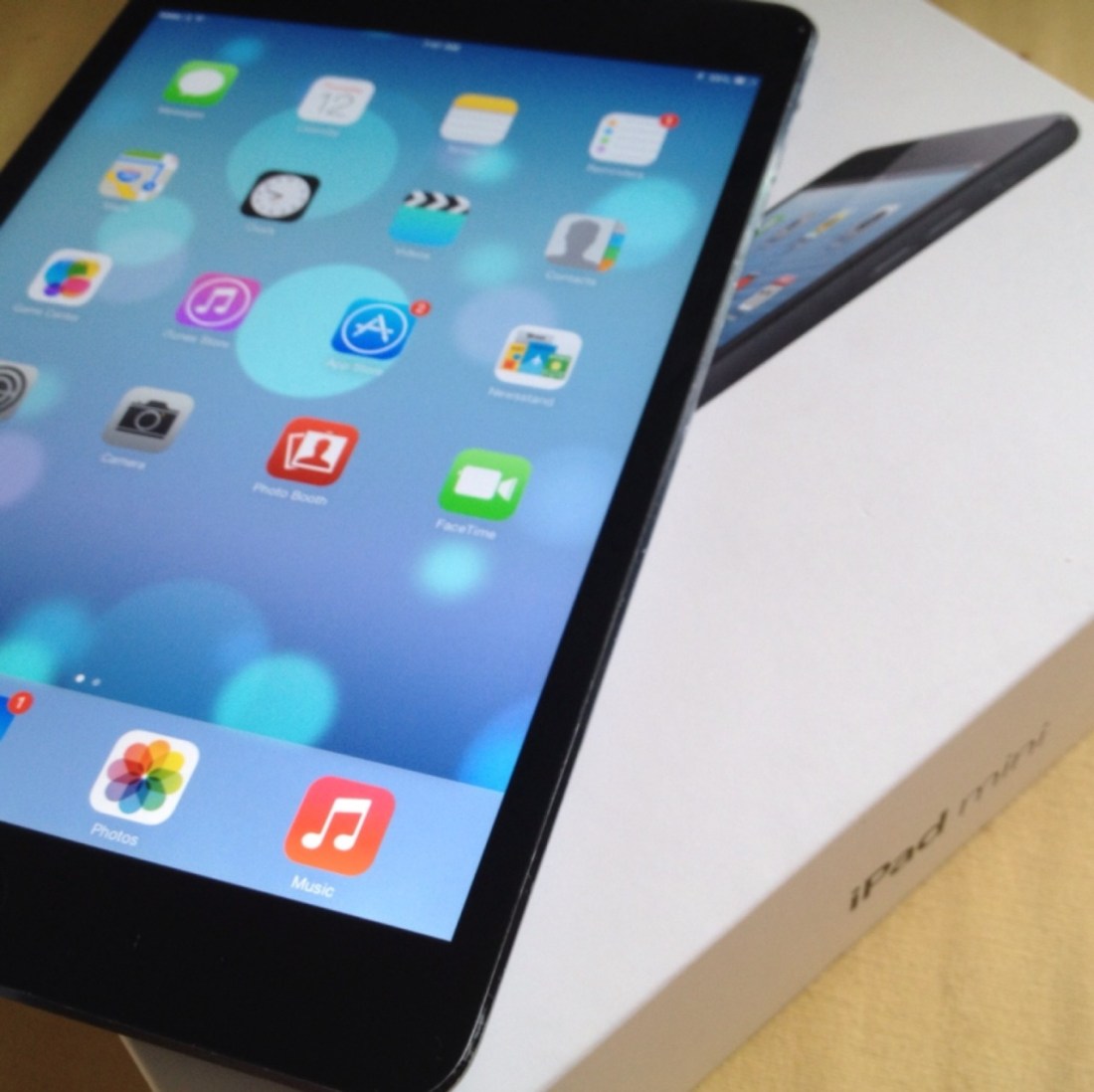
It took over a year but today the iPad mini is finally officially available in Indonesia. While they are not the retina display models, we’re getting the new, silver and space gray ones.

Since the current non retina iPad mini only come in 16GB wifi and wifi+LTE models, don’t expect to find 32 or 64GB models anywhere in the country.

No word on the pricing just yet but in the US the 16GB costs $299 (wifi) and $429 (wifi+LTE) before taxes. Expect higher prices here as usual. – View on Path.

Thought via Path

Bro: Hey do you remember the formula for resistance?
Me: Yeah, it’s oppression plus injustice multiplied by time coefficient
Bro: and when time reaches an X amount, it becomes a revolution!

*herp derp* – Read on Path.

Thought via Path

About the allegedly deadly student orientation program at ITN in Malang
Indonesians on Twitter and Facebook are spreading photos of alleged sexual harassment activities during a student orientation program held by ITN Malang in November and a separate case which led to the reported death of a male student during the same event. The entire program has been described as despicable, inhumane, and even criminal. The campus’ academia supposedly brushed off the reports and refused to go into details.

At this point there is only one source website of the alleged news, which is, in my opinion, highly questionable. Other sites are reporting based on that one source and some are even pasting the same story outright. The event supposedly happened around a couple of weeks ago but there’s been no additional reporting by other news outlets that can claim the veracity of the reports. At least none that I can find.

As with any other news, unless it can be or has been independently verified by several different parties, it remains questionable and should be read or followed with caution. – Read on Path.

laughingsquid:

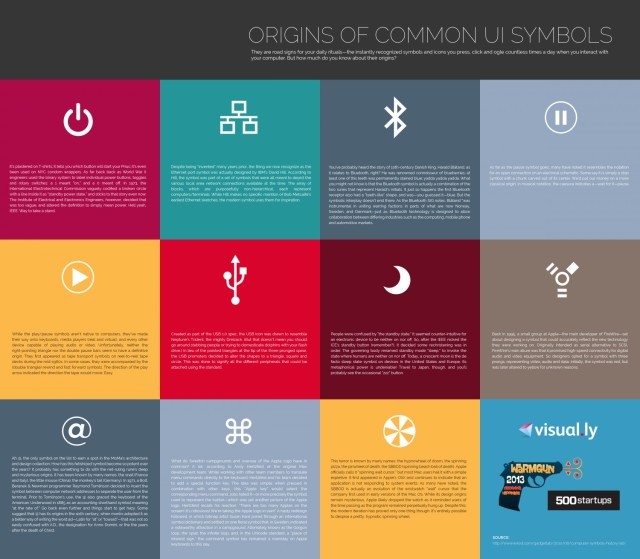
Infographic of the Origins of Common User Interface Symbols

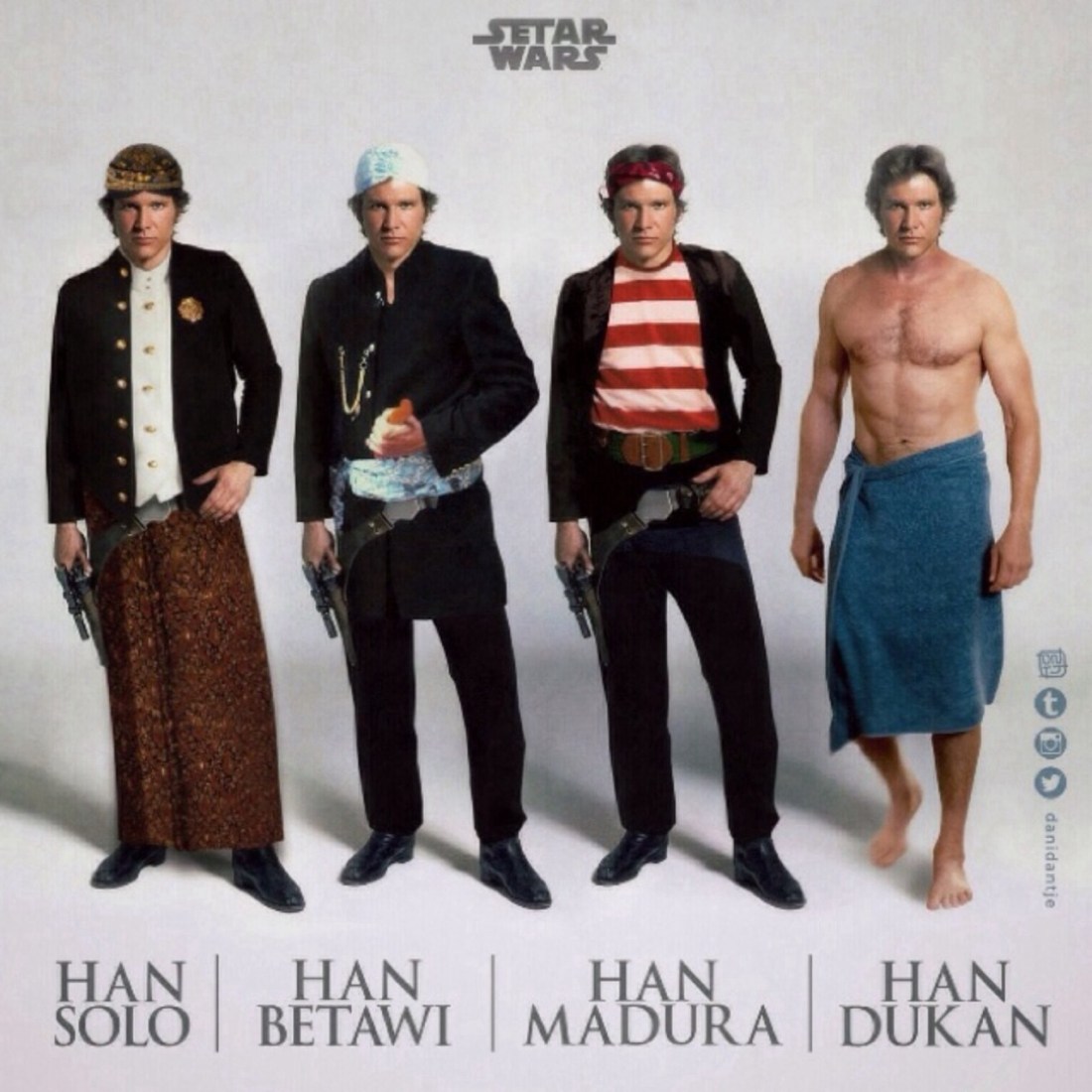
LOL.

In case you’re wondering, Solo, Betawi, and Madura are three Indonesian ethnicities/cultures. Handuk = towel. Handukan = In a towel. Gotta explain for the non Indos.

theatlantic:

The License That Rules the Web Just Got a Major Update

The new version of Creative Commons is big news for writers, photographers, and anyone who uses the Internet.

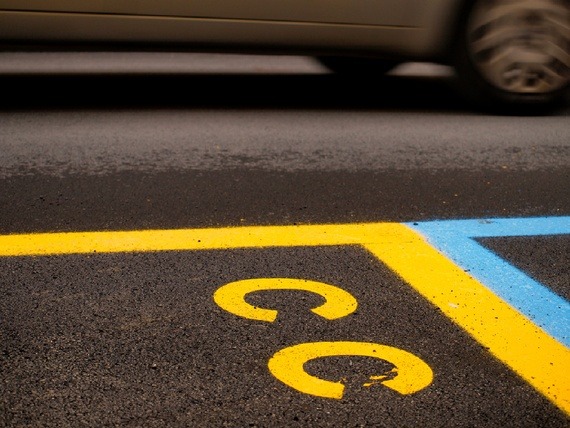
Read more. [Image: Flickr/Giulio Zannol]

lustik:

Rainy Pot – Jeong Seungbin via Ixiqi and red-dot.org