
It came with the theme
Hi, is the twitter widget inside the theme or where cai I find it? Thx
It came with the theme
It came with the theme
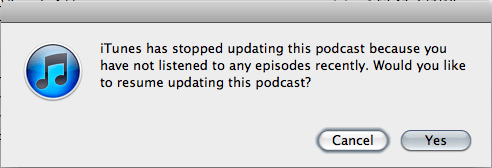
I don’t recall this feature in iTunes 9. iTunes 10 apparently recognizes which subscribed podcasts I haven’t listened to in a certain period of time and automatically stops the subscription. On the side of the podcast title it will mark them with an exclamation mark inside a gray circle just like songs or videos that are missing from the library.
That last point is an issue in itself. Missing items in iTunes have always been marked with that icon. By marking neglected podcasts with the same icon, it can lead people to think their podcasts are missing. Of course, clicking on the icon brings up the dialog box above which explains the situation, but it’s still grounds for confusion.
It’s almost like how Apple uses the same tunes for the default SMS tone in iPhones as when Mac OS X finishes a disc burn or completes an installation.

The Colors of the Top 100 Web Brands
COLOURlovers has created a revealing infographic that shows the distribution of colors across the top 100 brands of the web.
Brooklyn Tornado Footage of the Day: Old and Busted: “It’s a double rainbow all the way across the sky!” New Hotness: “Dude, it’s fucking funneling!”
The world knows about Lego’s bricks and its been using the basic brick as its icon throughout the years. Apparently Lego had a legal battle with a Canadian company over the brick and the court ruled against Lego.
The issue was whether the famous LEGO brick served a technical function. European law says companies can trademark graphic images like words, designs, the shape of their goods and packaging – but trademarking a product’s shape, if that shape is “necessary to obtain a technical result,” is not allowed, the court said.
Seems that as a consequence of this final ruling, any company can now use the same brick design for their toy products. Lego can no longer appeal.
Apple is not a hardware vendor per se, they are more like an IT consultant. That’s why Apple Store is so successful. In a way, Apple Store is their primary product, like GAP stores are really GAP’s primary product. The user walks in with a problem, and Apple provides a solution made up of a combination of hardware, software, online services, support services, training, accessories, and even culture. Apple users pay for that entire package. If the hardware is commoditized and cheap, that means more profit for Apple, not less, because they are the hardware *buyer* not seller. They buy the hardware on behalf of the user.
From a comment on an Asymco blog post.

 AuliaSays